The Part of New Motherhood We Don't Talk About
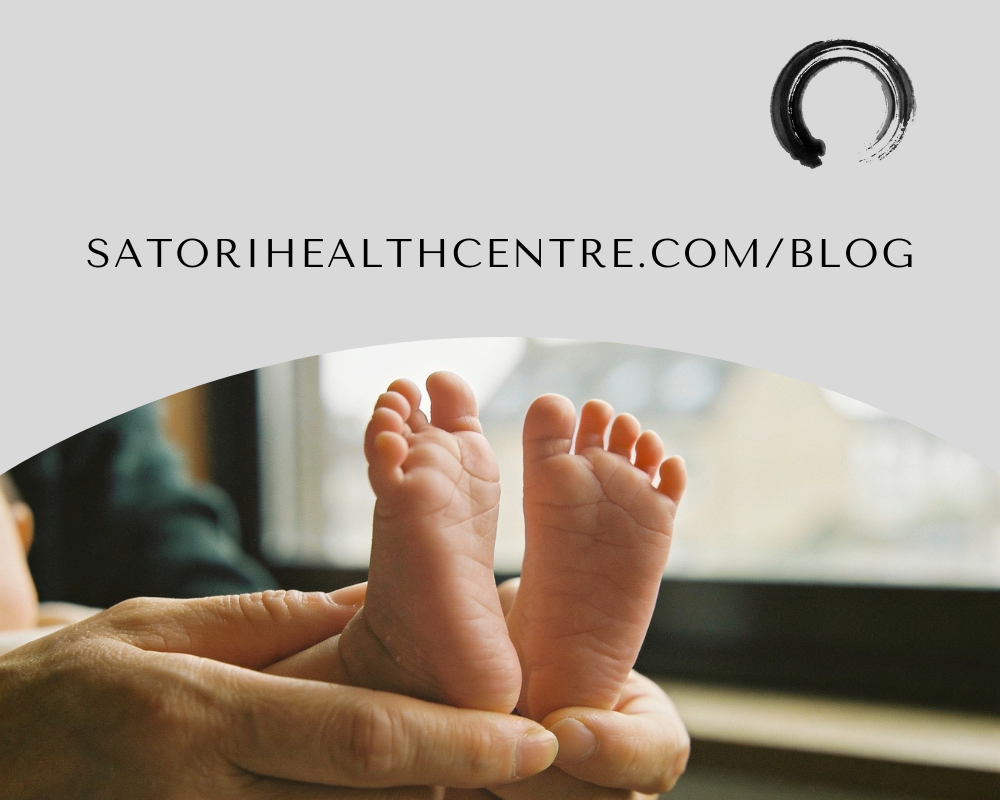
People warned you it would be tiring. They told you that you would not be the centre of your own life any more, and you nodded, because it sounded right. Then the baby arrived, and you understood that you had not really understood any of it. Not the way it actually feels.
This period can be one of the most beautiful of your life. It can also be one of the most disorienting. Both of those things are true, and almost no one tells you about the second one.
"Enjoy every moment", and the part it leaves out
People around you will say to enjoy this time. They will tell you it goes by fast, so cherish every second. Often they are right. But there is another side to early motherhood that rarely gets said out loud.
For some mothers, the love arrives the moment the baby does. For others, it takes days or weeks to feel that connection. That is far more common than people admit, and it is completely normal. Wherever you land, you are not doing it wrong.
The anxiety no one prepares you for
In the first weeks, your brain genuinely changes. The amygdala, the part of the brain that scans for danger, becomes more active. Suddenly you notice every risk: the object that could fall, the small hazard you never registered before.
You might lie awake and feel you have to check that your baby is still breathing. You might wonder, again and again, whether a cry is just a cry or something to worry about. Add the deep exhaustion most new parents are running on, and it can all start to feel like too much. At times you might even wonder if you are losing control.
This is postpartum anxiety, and it takes many forms. For some it becomes intrusive thoughts. For others it shows up as checking, googling the same question ten times over, or spending hours asking an app or an AI for a reassurance that never quite settles.
A note on scope: this piece is not about postpartum depression, which affects one to two women in ten and deserves an article of its own. If your low mood feels constant rather than passing, please reach out to your GP, your midwife, or us.
The loneliness that surprises you
It takes a village to raise a child. Many new parents do not have one nearby. If you are an expat in Belgium, or the first in your circle to have a baby, that gap can feel enormous.
There is the practical learning curve, often faced alone: how to change a nappy, how to breastfeed or give a bottle, how to help a tiny person sleep. And there is the emotional side. You may hear comments that miss the mark entirely, such as "What do you even do all day? You're basically on holiday." Like a lot of things, this is hard to understand until you have lived it.
The guilt that comes in waves
Guilt arrives in many shapes. Guilt for not being the "perfect" mother. Guilt for being too tired and too stretched to savour every moment with a baby who is changing by the day. Guilt for no longer being the friend who shows up, who answers the messages, who makes it to things.
None of this means you are failing. It usually means you are doing a great deal, on very little sleep, while quietly becoming someone new.
You can feel a wave of love at three in the morning and still be desperate to go back to sleep. Both are true at the same time.
Two things at once
This is the part that is hardest to put into words. So much of early motherhood happens in pairs. Your baby smiles and your chest fills with something so big you can feel it, while your shoulders tense over the list in your head: when to feed, when to change, whether there are enough clean clothes for tomorrow.
Love and exhaustion. Fulfilment and tension. Joy, and grief for the life you had before. They do not take turns. They arrive together, and holding both at once is not a sign that something is wrong. It is the texture of this season.
If it is not all joy, you are not alone
Every mother meets this differently. Hormones, a baby's temperament, the support around you: all of it varies, and all of it shapes how these months feel. Expats, often furthest from family and from a familiar healthcare system, can feel it most sharply.
If your experience of new motherhood is not pure happiness, please know that this is normal. The period is intense, complex, and life-changing. Naming that honestly is not ingratitude. It is the truth most of us only say quietly, to the people we trust.
Working with this further
*If any of this sounds like where you are right now, you do not have to carry it on your own. Elise works with new mothers navigating exactly this, at our Leuven practice and online.
You are welcome to bring your baby to a session and to feed, hold, or settle them while we talk. Online sessions are there too, because in the early months even finding one free hour can feel impossible. You can book a first session here, or read Elise's profile to see if she is the right fit.